
Common Plumbing Issues Plumbers Fix Every Day
Homeowners often take plumbing systems for granted until something breaks. Water flows from faucets, and wastewater disappears down drains without a second thought. A complex network of pipes operates behind your walls. When one component fails, it disrupts your household routine. Plumbers respond to a variety of service calls weekly to keep these systems running.
Understanding frequent plumbing issues helps you spot warning signs early. While minor maintenance tasks are easy for a homeowner, many situations require professional tools. Licensed plumbers have the training to address underlying problems rather than just treating symptoms. They encounter specific challenges repeatedly, giving them experience to resolve situations quickly. Learning about everyday problems prepares you to take action.
Clearing Stubborn Clogs and Slow Drains
A slow drain is a frequent annoyance for homeowners. You notice water pooling around your feet in the shower or taking minutes to empty. These issues rarely resolve themselves, and they'll usually worsen over time as debris collects. Hair, soap scum, and mineral deposits accumulate along the pipe walls, narrowing the passageway. Plumbers have equipment to clear these obstructions safely.
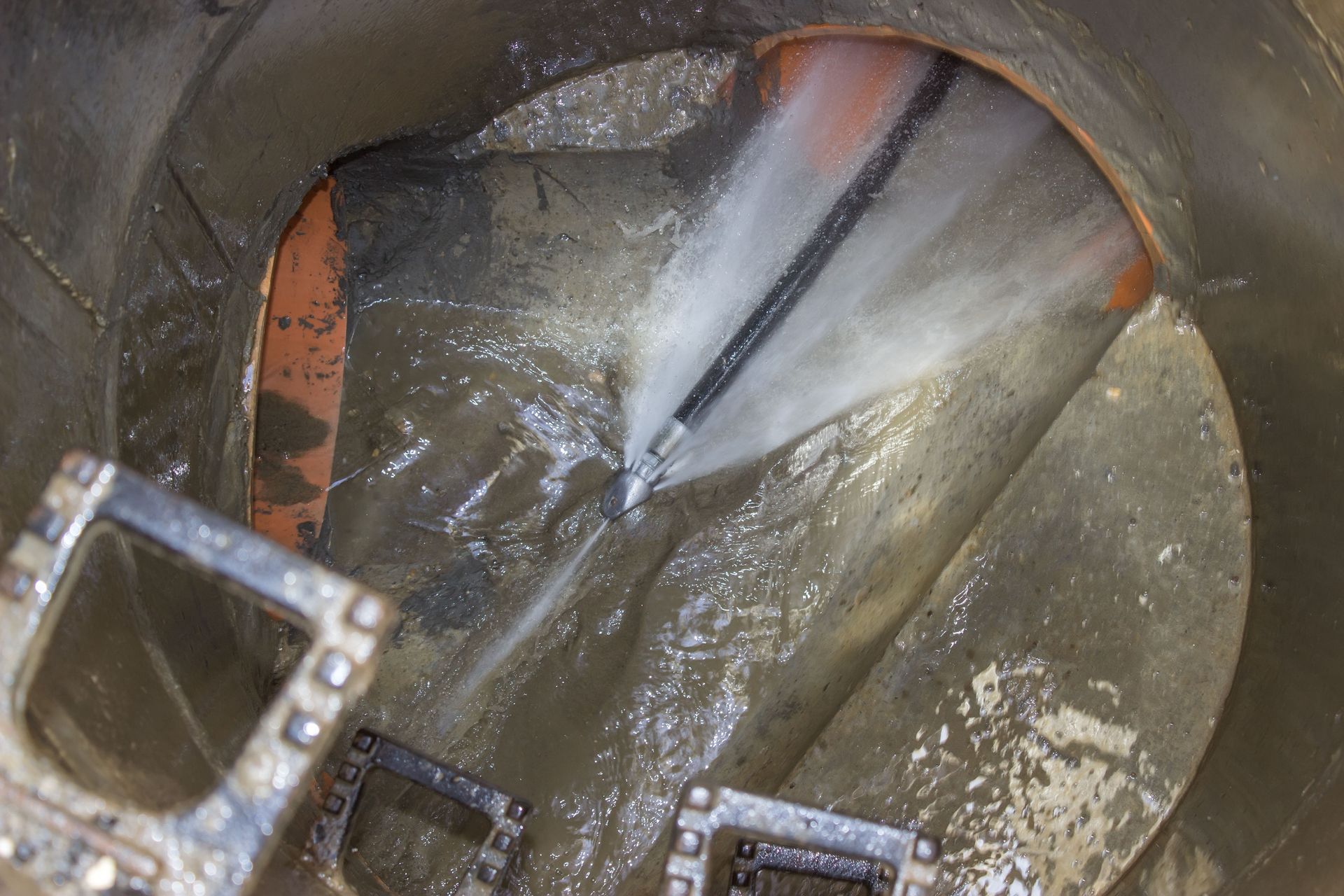
When a single drain clogs, the problem is usually localized. However, multiple slow drains indicate a more serious issue deeper in your plumbing system. According to Gitnux, around 60% of all emergency plumbing calls are for clogged drains or sewer line issues. Tree roots often infiltrate main sewer lines. Plumbing professionals use camera inspection tools to pinpoint the exact location.
Many people reach for chemical drain cleaners when they encounter a clog. Plumbers advise against using these products because they'll damage your pipes. The chemicals generate intense heat that can warp plastic pipes and corrode metal components. Furthermore, these liquids often fail to clear solid obstructions completely. Plumbing contractors typically prefer mechanical methods like motorized drain snakes to scrub the pipe walls clean.
Preventative maintenance goes a long way in keeping your drains flowing. Simple habits like using hair catchers and avoiding pouring grease down your sink make a huge difference. You shouldn't flush wipes, as they don't break down in water. Plumbers spend their days pulling masses of wipes out of sewer lines. Establishing good habits protects your system.
Fixing Hidden Leaks and Dripping Fixtures
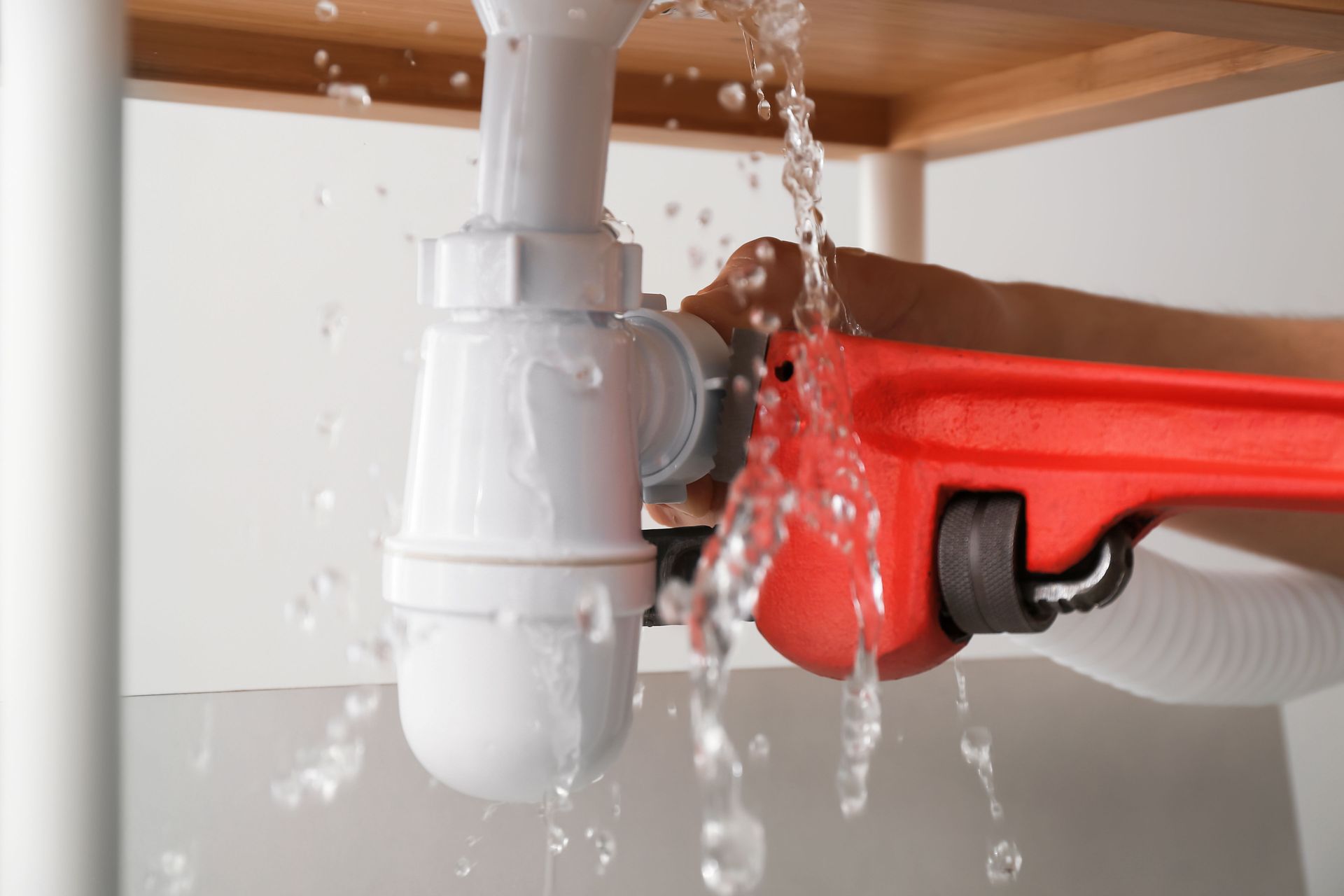
A dripping faucet wastes a surprising amount of water over time. A fixture that drips once per second can waste thousands of gallons in a single year. That constant dripping sound is incredibly frustrating when it echoes through your house. Inside most modern faucets, small rubber washers seal the water flow. Friction gradually wears these components down, creating that drip.
Plumbing contractors carry parts to rebuild faucets quickly. While replacing a washer sounds simple, disassembling a corroded fixture requires specific tools. Sometimes the internal valve seat becomes pitted and worn, meaning a simple washer replacement won't solve the leak. Plumbers reface the valve seat or recommend a complete fixture replacement. They ensure the repair is completely watertight.
Hidden leaks present a much larger threat to your home. Water supply lines run behind drywall, through ceilings, and under concrete foundation slabs. When a pinhole leak develops in a concealed pipe, water slowly saturates surrounding materials for months. Homeowners usually discover these leaks when they see a dark water stain spreading across their ceiling or feel a soft spot.
Finding the exact source of a hidden leak is a specialized skill. Water travels along framing, meaning the wet spot on your ceiling is rarely below the actual pipe failure. Professional contractors use leak detection equipment and moisture meters to track water back to its origin. Once they locate the compromised section of pipe, they cut an access hole and patch it.
Repairing Inconsistent or Failing Water Heaters
Few plumbing problems disrupt your morning routine faster than stepping into a freezing shower. Water heaters work silently in the background, so a lack of hot water catches people off guard. Water heaters show subtle signs of trouble before they break down. You might notice showers running cold much faster than they used to.
In traditional tank models, sediment buildup is a frequent culprit for reduced efficiency. As water sits in the tank, naturally occurring minerals settle at the bottom and form scale. This sediment creates a barrier between the heating element and the water. Your water heater must work harder, which wastes energy and drives up bills. Plumbers solve this by flushing the tank.
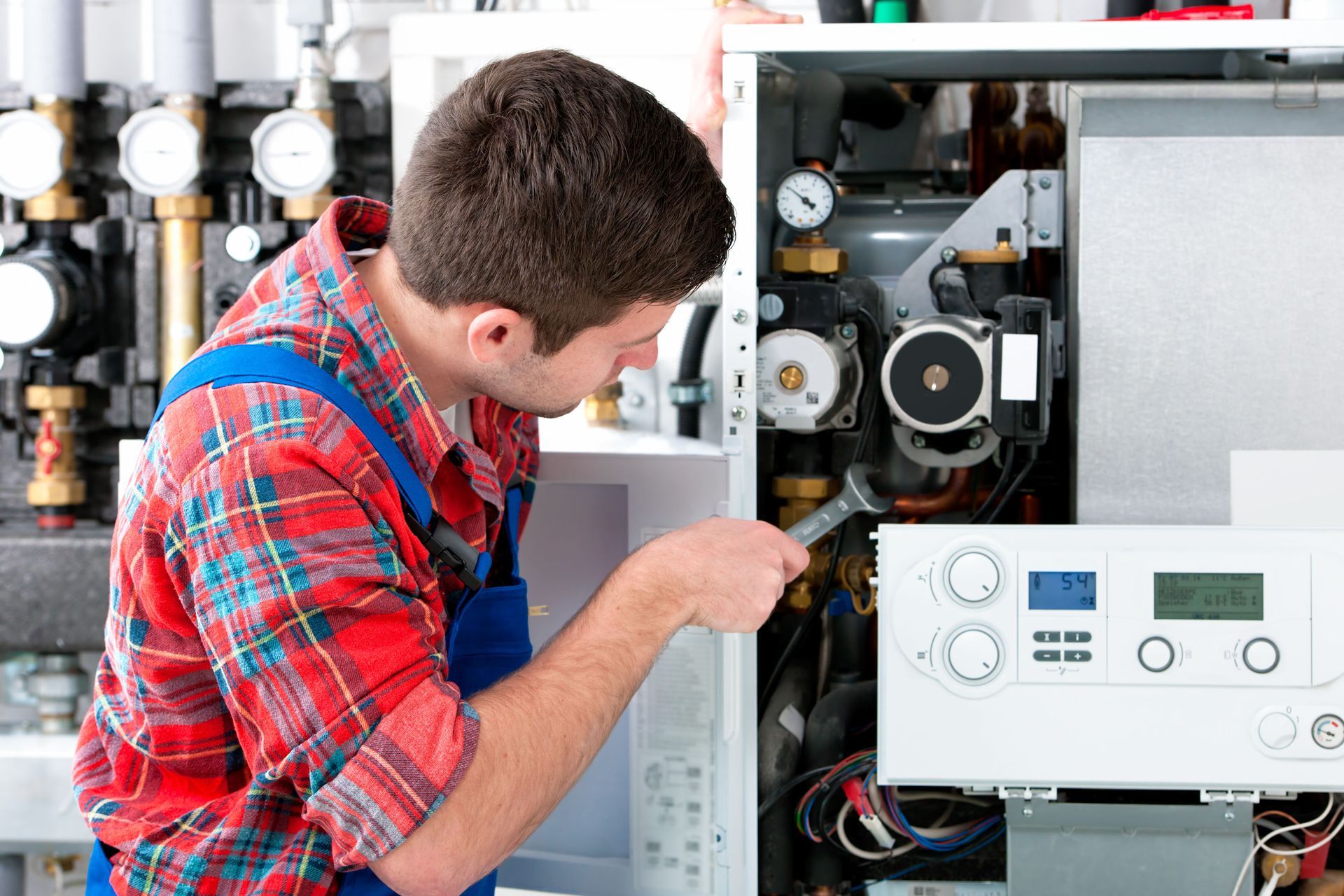
Faulty components also cause water heaters to behave erratically. Electric models rely on two heating elements. If the lower element burns out, you will only get a small amount of hot water. Gas models experience issues with the pilot light or gas control valve. A plumber tests each electrical component with a multimeter to identify the failed part accurately and safely.
Eventually, every water heater reaches the end of its functional lifespan. In our experience, most traditional tanks last around a decade before the internal lining corrodes and begins to leak. When water pools around the base, the unit requires immediate replacement to prevent a major flood. Plumbers help homeowners navigate the replacement process, ensuring the new unit is sized correctly.
Resolving Frustrating Low Water Pressure
Low water pressure makes simple tasks like rinsing dishes incredibly tedious. If you turn on a faucet and get a weak trickle, the plumbing system has an underlying issue. Sometimes the problem is isolated to a single fixture. The aerator at the end of your faucet spout contains a tiny mesh screen. Plumbers unscrew these aerators and clean out mineral buildup.
When low pressure affects your entire house, the solution is much more complex. The municipal water supply enters your home through a main water valve and a pressure regulator. The regulator is a critical component that drops city pressure to a safe level. These valves wear out over time, restricting flow. A plumber tests the pressure and replaces the failing valve.
Aging pipes also contribute to widespread water pressure problems in older homes. Older homes often have galvanized steel water lines that corrode heavily from the inside. As rust and minerals build up over decades, the internal diameter of the pipe shrinks drastically. You might notice shower pressure drop significantly when someone flushes a toilet or runs a washing machine.
Fixing pressure issues caused by corroded pipes requires significant intervention. Plumbers can't clean the inside of old galvanized water lines, so the permanent solution is repiping the house. Repiping involves replacing old lines with modern materials like copper. While this is a major project, it provides a dramatic difference in water volume. Plumbers perform these upgrades regularly.
Maintaining a functional plumbing system is essential for the safety of your home. The issues plumbing contractors handle daily highlight how interconnected these systems can be. From a clogged drain to a hidden pipe leak, plumbing problems come in all sizes. Recognizing warning signs early empowers you to act before a minor drip turns into a catastrophic flood.
Professional plumbers possess the specialized tools and extensive knowledge needed to repair these everyday problems. They understand how different materials behave and know the local building codes required to keep your family safe. Attempting complex repairs without experience often leads to more significant damage. Relying on their expertise ensures your water flows reliably and your home remains protected.
If you're experiencing any of these common issues, contact Five Star Plumbing today so our seasoned plumbers can fix the problem.
Share On: