
How Expert Plumbers Can Help Lower Your Monthly Water Bills
A sudden spike in utility expenses often catches property owners by surprise, pointing toward hidden operational inefficiencies within internal plumbing networks. Water conservation is no longer just about environmental stewardship; it represents a primary strategy for controlling monthly household overhead. Even a tiny, undetected trickle can quietly waste thousands of gallons of water over the course of a single year. Unseen leaks, outdated fixtures, and improper water pressure force plumbing systems to consume far more water than necessary. Partnering with licensed plumbers allows homeowners to uncover subtle water waste, modernize essential fixtures, and optimize system infrastructure. Comprehensive diagnostic reviews eliminate the guesswork behind monthly utility spikes by identifying hidden distribution faults. Understanding how professional diagnostic evaluations and targeted plumbing upgrades lower ongoing consumption empowers property owners to manage utility costs proactively.
Detecting Silent Leaks Before Costs Escalate
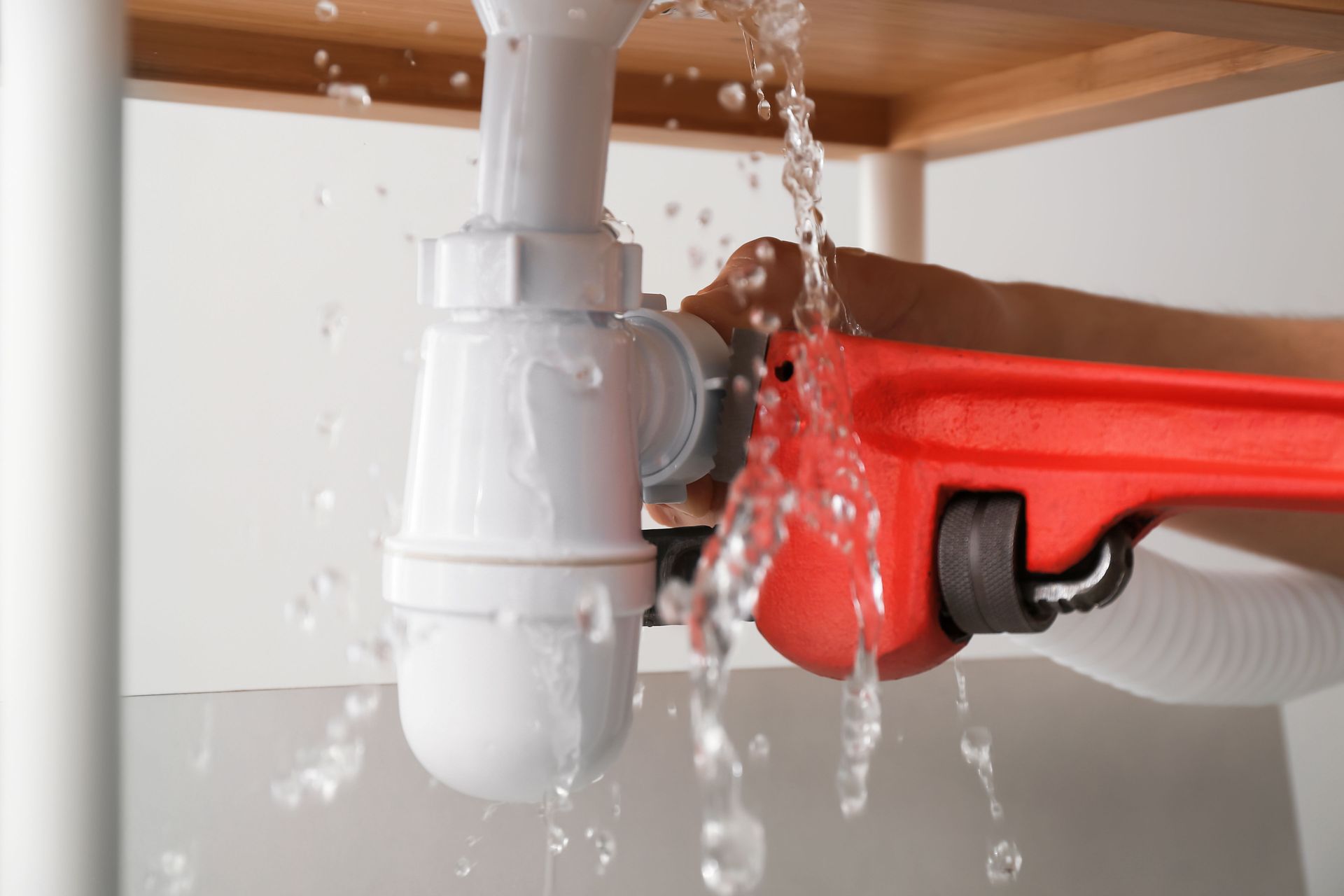
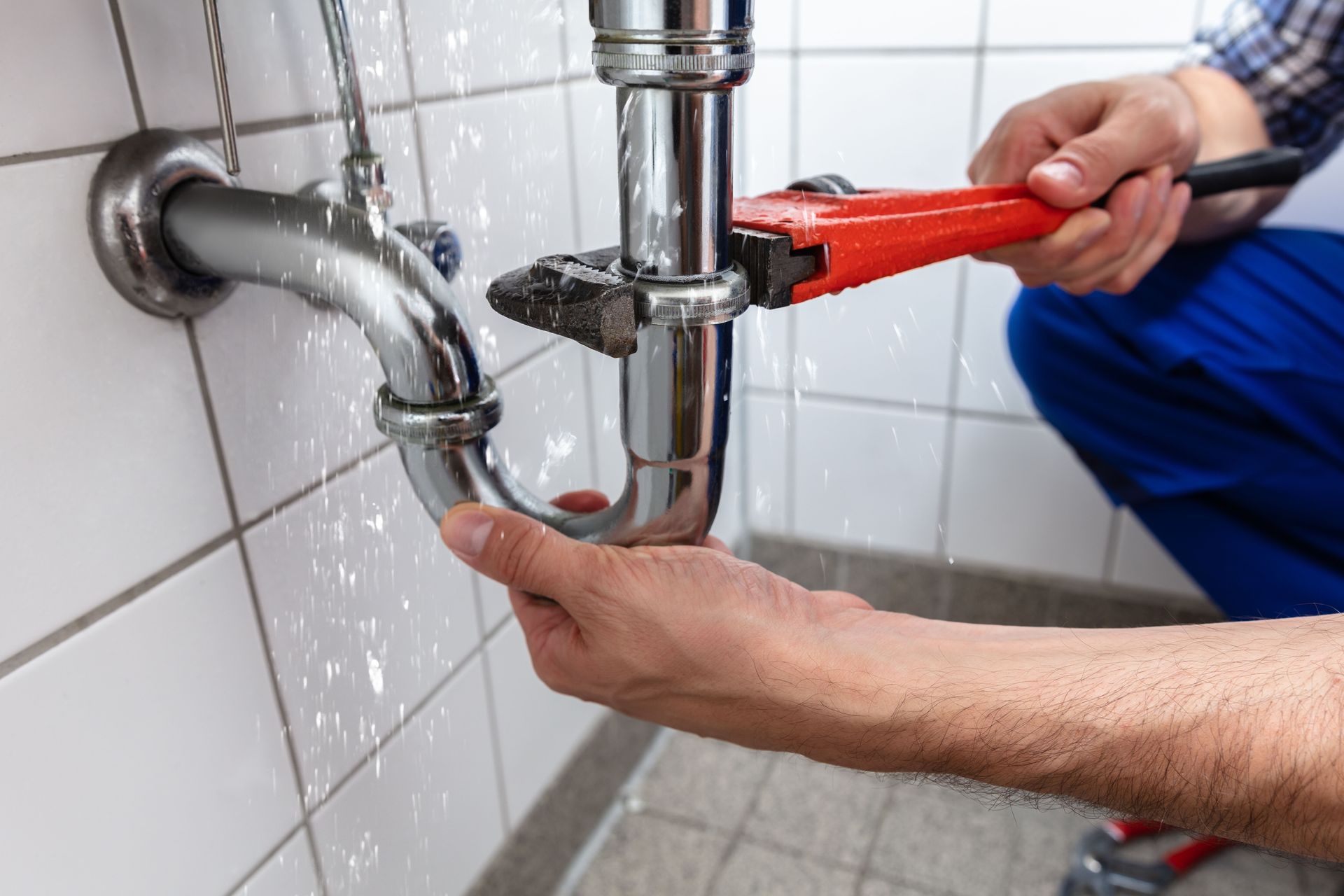
Unseen plumbing leaks represent one of the primary drivers of inflated utility bills across residential properties. A pinhole leak inside a wall cavity or beneath a concrete slab can discharge hundreds of gallons of water each month without leaving immediate surface dampness. Experienced plumbers utilize advanced electronic leak detection gear, acoustic listening devices, and thermal imaging cameras to pinpoint hidden pipe fissures accurately. Locating and repairing silent leaks halts continuous water loss, preventing severe structural deterioration and mold growth. Timely leak remediation stabilizes monthly utility charges while protecting surrounding drywall, flooring, and subbase foundations from costly water damage.
Upgrading Outdated Fixtures For Maximum Efficiency
Legacy plumbing fixtures installed several decades ago operate at significantly higher flow rates than modern water-saving models. Swapping out older aerators and showerheads can immediately decrease household water usage without compromising daily comfort or water performance. Older toilets can use upwards of three to five gallons per flush, whereas modern high-efficiency toilets achieve thorough bowl clearance using less than one and a half gallons. Skilled plumbers assess existing sink faucets, showerheads, and toilets to identify aging fixtures ripe for replacement. Installing EPA WaterSense-certified fixtures drastically reduces daily water output without sacrificing spray performance or pressure. Systematically modernizing outdated fixtures delivers immediate water savings across every room in the house.
Regulating High Water Pressure To Protect System Components
Excessive municipal water pressure might seem like a convenience, but it causes significant damage to residential plumbing systems. Pressure exceeding eighty pounds per square inch strains pipe joints, wears out internal appliance seals, and forces excess volume through open faucets. Qualified plumbers measure incoming water pressure and install calibrated pressure-reducing valves to maintain safe operational thresholds. Regulating incoming pressure prevents subtle water waste and protects delicate internal components inside water heaters, dishwashers, and washing machines. Controlling system pressure extends equipment lifespans while curbing excessive daily volume throughput.
Modernizing Water Heating Systems For Energy And Water Savings
Traditional tank-style water heaters continuously heat gallons of stored water, consuming energy continuously while wasting water as users wait for hot water to reach distant taps. Waiting several minutes for hot water to flow down long pipe runs sends gallons of clean municipal water straight down the drain. Knowledgeable plumbers design and install recirculating hot water loops or point-of-use tankless water heaters to eliminate this daily waste. Delivering hot water on demand cuts standby thermal loss and stops unnecessary water runoff. Upgrading water heating infrastructure reduces both monthly water consumption and energy expenses simultaneously.
Eliminating Water Waste With Smart Plumbing Technology
Integrating modern smart plumbing technology into residential properties provides real-time monitoring and automated protection against excessive water usage. These intelligent systems give homeowners direct visibility into daily consumption habits via simple smartphone applications. Smart flow meters and shutoff systems track daily consumption patterns, identifying micro-leaks or open valves before they cause massive utility spikes. Certified plumbers install and calibrate these automated monitoring devices directly onto main water service lines. If a sudden surge in water flow or an abnormal continuous trickle is detected, smart shutoff valves automatically isolate the water supply to prevent flooding and continuous waste. Implementing smart monitoring technology offers proactive defense against unseen plumbing failures and rising water bills.
Inspecting Toilet Flappers And Internal Fill Assemblies
Toilets are among the most frequent culprits behind unexplained spikes in residential water bills. A worn rubber flapper valve or a misadjusted fill valve causes a continuous, quiet trickle of water from the tank into the bowl. Replacing a degraded valve flapper takes only minutes but halts continuous baseline water consumption instantly. This running water can waste over two hundred gallons daily while remaining completely unnoticed by property owners. Attentive plumbers examine internal tank mechanisms during routine system audits, replacing deteriorated gaskets, adjusting float levels, and installing durable fill assemblies. Fixing running toilets restores proper flush cycles, eliminating continuous water loss and stabilizing utility statements.
Optimizing Main Line Valves And Main Shutoff Hardware
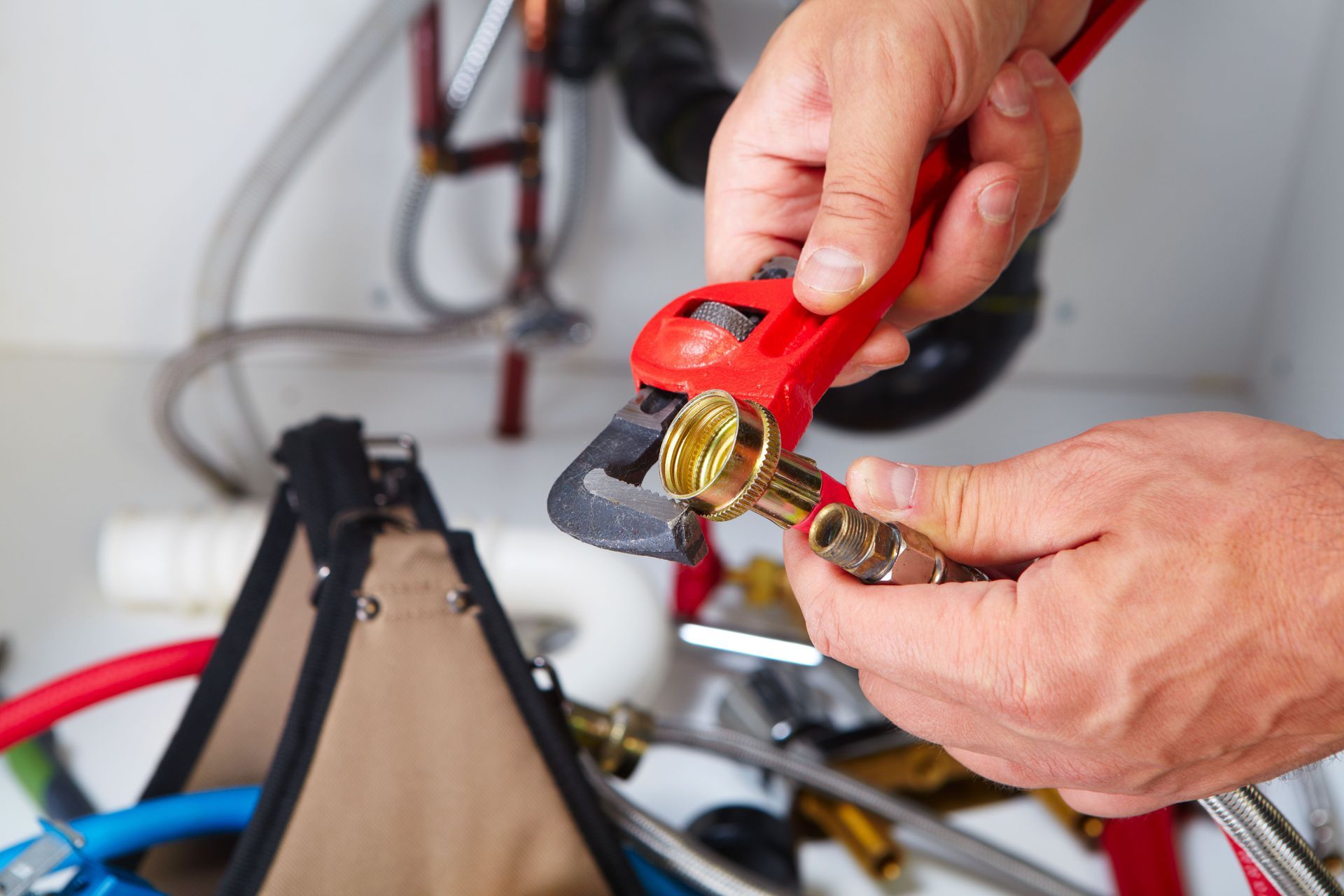
A faulty or sticking main water shutoff valve prevents property owners from controlling incoming water flow during maintenance or emergency pipe bursts. Older gate valves often fail to seat properly, allowing water to trickle continuously through secondary lines or irrigation connections. Hiring professional plumbers to replace aging main valves with modern quarter-turn ball valves guarantees a complete, watertight seal when closed. Upgrading to modern ball valves provides reliable full-port flow when open and immediate, positive closure when shut. Installing reliable shutoff hardware ensures precise flow control across the entire property. Maintaining crisp valve isolation prevents hidden cross-meter seepage and allows rapid shutoff during unexpected plumbing emergencies.
Insulating Water Lines To Reduce Standby Thermal Loss
Uninsulated hot water pipes radiate thermal energy into unheated basements, crawlspaces, and wall cavities as hot water travels from the heater to household fixtures. When pipes cool down between uses, homeowners end up running the faucet for extended periods to clear out lukewarm water before reaching desired temperatures. Professional plumbers fit foam pipe insulation sleeves around accessible hot water lines to maintain higher standby fluid temperatures. Properly insulated piping retains thermal energy longer, reducing the time needed for hot water to travel from the heater to your faucet. Retaining thermal energy within distribution lines accelerates hot water delivery to faucets and showers, stopping unnecessary water runoff while easing the thermal workload on your water heater.
Calibrating Irrigation Connections And Outdoor Hose Bibbs
Outdoor water use accounts for a substantial portion of total residential water consumption, particularly during warmer summer months. Leaking hose bibbs, cracked backflow preventers, and misaligned underground sprinkler lines waste thousands of gallons of water outside the home. Experienced plumbers evaluate exterior plumbing connections, repair frost-damaged valves, and install backflow prevention assemblies to protect drinking water safety. Correcting outdoor supply leaks ensures that irrigation systems apply water efficiently to lawn zones rather than leaking beneath driveways. Regulating outdoor water connections keeps lawn maintenance costs manageable throughout peak summer watering seasons.
Establishing a routine maintenance schedule with a trusted contractor ensures long-term plumbing health, preventing minor wear from escalating into major utility spikes. Having a qualified professional inspect your system annually guarantees that small issues are caught long before they turn into costly emergencies. Customer satisfaction plays a huge role in developing these ongoing relationships, ensuring property owners receive consistent support for future upgrades. According to Jobber, 89% of customers are more likely to return for future services following a positive customer service experience with a plumber. Continual care allows licensed plumbers to monitor pressure levels, inspect aging seals, and recommend proactive upgrades before efficiency degrades. Contact Five Star Plumbing today to schedule your comprehensive home plumbing audit and start saving on your monthly water bills.
Share On: