
Sewer Cleaning Checklist for Stress-Free Home Maintenance
Owning a residence brings immense joy and security, yet it introduces maintenance responsibilities that cannot be ignored. While painting walls provides visual gratification, critical household systems operate out of sight. The plumbing network carries wastewater away safely, protecting your family from structural damage. When this subterranean system fails, the resulting chaos completely disrupts daily life and requires extensive remediation. Homeowners often wait until a catastrophic backup occurs before paying attention to underground pipes, leading to immense stress. Implementing a proactive approach transforms this hidden network from a source of anxiety into a manageable component of property care. Incorporating regular sewer cleaning into your property management strategy ensures uninterrupted functionality and preserves the sanitary environment of your living space.
Recognizing Early Indicators
Paying close attention to how sinks empty serves as the initial step in maintaining clear subterranean pipes. Water should rush down the drain swiftly without pooling around the stopper. When you notice water lingering in the basin, an obstruction is likely forming deep within the plumbing architecture. Accompanied by strange gurgling noises when a toilet flushes, these slow drains strongly suggest air is trapped behind a growing clog. Ignoring these clues allows minor blockages to accumulate more debris until the pipe becomes completely impassable.
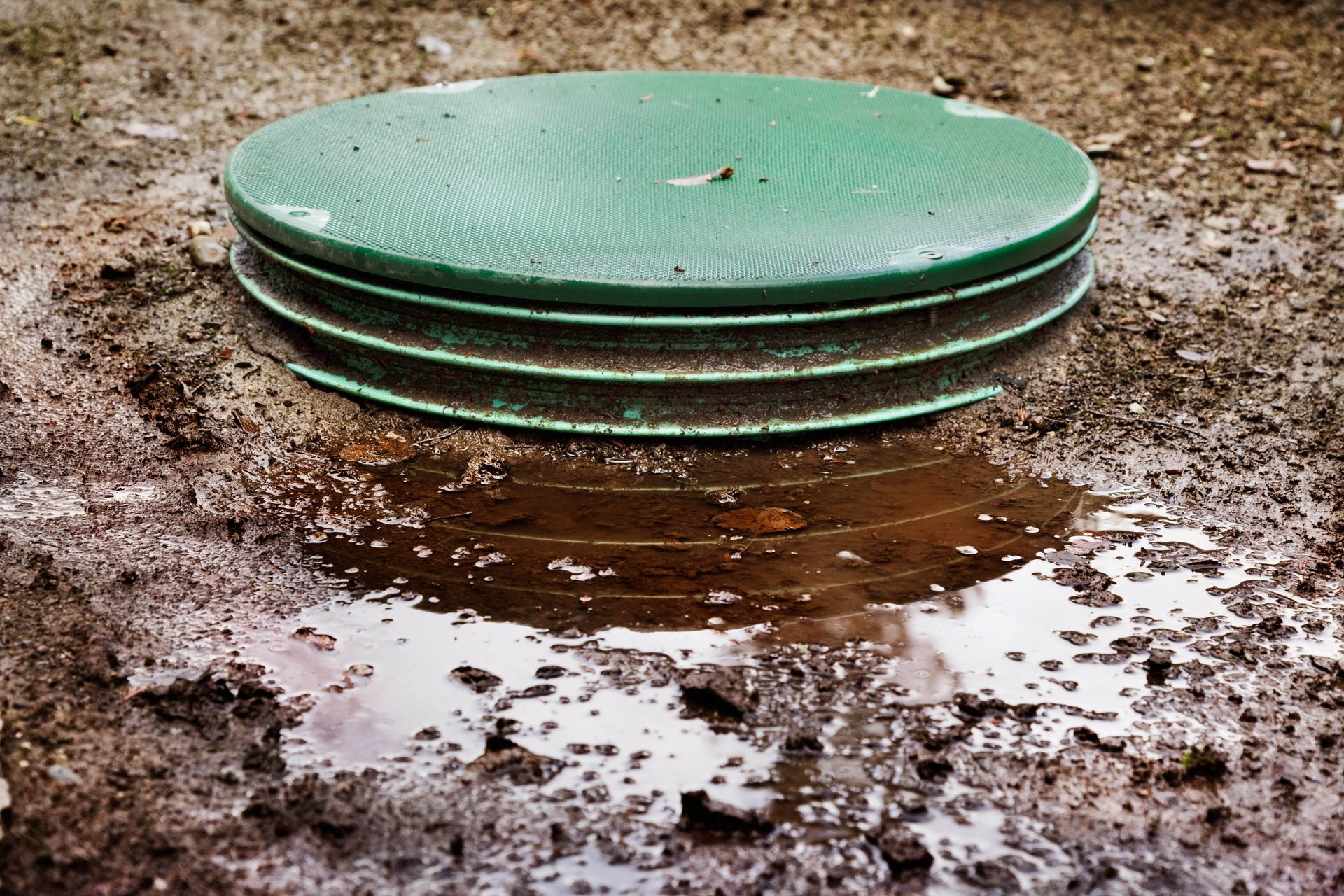
Beyond signals inside the house, your yard can reveal hidden plumbing distress. Puddles forming on the lawn when it has not rained indicate wastewater is escaping through a cracked pipe. Sometimes, unusually lush grass patches appear directly above the main line because escaping waste acts as potent fertilizer. Additionally, foul odors lingering near drains serve as undeniable evidence that waste is decomposing nearby. Staying vigilant for these warning signs allows you to address problems early through targeted sewer cleaning before complete failure ruins your day.
Managing Kitchen Disposals
The kitchen sink represents a major vulnerability due to the massive volume of material passing through it daily. Many people mistakenly believe garbage disposals can process any food scrap, leading them to dump fibrous vegetables down the drain. Pasta and rice absorb water and swell inside the pipes, creating a sticky paste that traps debris. Coffee grounds act like sand, settling into lower curves and building a dense barrier that water struggles to bypass. Scrape plates directly into the trash receptacle instead of relying on the sink disposal.
Liquid fats present a greater danger to your plumbing infrastructure than solid food particles. Hot oil pours easily down the drain, but it rapidly cools and solidifies as it travels through subterranean pipes, coating interior walls with stubborn residue. Over time, this sticky layer catches passing debris, slowly constricting wastewater flow. According to the EPA, approximately half of the 400,000 sewer blockages reported annually are caused by grease. Scraping hardened fats into a disposable container drastically reduces the need for emergency sewer cleaning and protects municipal infrastructure.
Monitoring Bathroom Drains
Moving beyond the kitchen, bathroom plumbing faces an entirely different set of daily challenges demanding careful monitoring. Showers constantly endure a combination of loose hair, sticky soap scum, and mineral deposits. As hair washes down the drain, it easily snags on minor pipe imperfections. Soap residue acts as an adhesive binding loose hair strands together into a dense mat that obstructs water flow. Installing simple mesh strainers over every shower drain catches this debris before it enters the plumbing system, preventing massive clogs from forming deep within walls.
Toilets require equally strict usage guidelines to maintain a healthy waste removal system. Many manufacturers advertise personal hygiene wipes as safe for plumbing, but these products fail to disintegrate quickly in water. They travel through pipes fully intact, joining with other waste to form impenetrable masses known as fatbergs. Flushing feminine hygiene products or cotton swabs creates identical hazards that inevitably lead to severe system backups. Establishing strict household rules about what can be flushed minimizes the frequency of required sewer cleaning and keeps bathrooms functioning flawlessly.
Clearing Minor Obstructions
When a drain begins to slow down, immediate action can resolve the problem without requiring heavy equipment. Natural household ingredients provide a remarkably effective method for dissolving early stage clogs without damaging fragile pipes. Pouring baking soda followed by white vinegar creates an expanding chemical reaction breaking down organic matter. Flushing the drain with boiling water afterward washes away loosened debris and leaves interior walls much cleaner. This gentle approach represents an effective preventative measure homeowners can perform routinely to keep sink basins emptying rapidly.
If natural remedies fail to restore proper flow, manual extraction tools offer the next level of defense. A standard cup plunger uses hydraulic pressure to force trapped material back and forth until it breaks apart. Creating a tight seal over the drain opening and applying firm pressure often clears moderate clogs in sinks. For material located slightly further down the pipe, a hand-cranked plumbing snake can physically extract the obstructing mass. Utilizing these basic tools serves as a fantastic intermediary step between basic maintenance and professional sewer cleaning interventions.
Protecting Exterior Pipelines
The portion of your plumbing system running beneath the yard faces unique threats from the natural environment. Large shade trees are wonderful landscaping features, but their intricate root systems constantly seek subterranean moisture sources. Older pipes often feature tiny cracks, allowing microscopic amounts of water vapor to escape. Tree roots sense this moisture and infiltrate the pipe through these openings, eventually growing thick enough to shatter the pipe entirely. Monitoring tree growth and knowing the exact path of underground lines is crucial for preventing botanical intrusion.
Protecting exterior pipes requires careful planning before undertaking significant yard renovations. Driving heavy machinery over the ground directly above the main waste line can cause soil to compact and crush aging pipes below. Additionally, planting deep-rooted shrubs too close to the plumbing path practically guarantees future root invasions. Homeowners should consult property blueprints before digging deep holes for fence posts or installing irrigation systems. Taking these landscaping precautions preserves structural integrity and ensures regular sewer cleaning remains a routine task rather than a salvage operation.
Scheduling Professional Inspections
Even with meticulous preventative care, homeowners eventually need specialized assistance to ensure total system health. Subterranean pipes naturally degrade over time, accumulating mineral scale that traps passing waste. Professional technicians possess specialized diagnostic equipment, such as high-resolution fiber optic cameras, fed directly into plumbing lines. This technology provides a crystal-clear view of the pipe interior, revealing hidden cracks, root intrusions, or sagging sections. Identifying these structural anomalies early prevents catastrophic sewage backups that ruin basements and destroy valuable personal property.
Once a diagnostic inspection reveals the exact condition of the plumbing architecture, technicians can deploy advanced clearing techniques. High-pressure water jetting completely scours interior pipe walls, obliterating calcified scale and slicing through invasive tree roots with incredible precision. This advanced method restores the pipe to its original diameter, guaranteeing smooth waste transit for a considerable duration. Establishing an ongoing relationship with a trusted technician guarantees your property receives intensive care. Incorporating professional-grade sewer cleaning into your checklist provides ultimate peace of mind and extends plumbing lifespan.
Maintaining a healthy residential plumbing system does not have to be a source of constant anxiety for property owners. By adopting a proactive checklist, individuals can manage daily habits, monitor for subtle warning signs, and address minor clogs before they escalate. Keeping grease out of the kitchen sink, trapping hair in the shower, and understanding the dangers of invasive tree roots form the foundation of a successful strategy. When combined with periodic professional diagnostic evaluations, these efforts guarantee wastewater flows away from the property without disruptive incidents. Taking control of your plumbing health preserves the value of your residence and creates a sanitary environment for everyone living there. If you are experiencing slow drains or simply want to schedule preventative maintenance, please contact this business: Five Star Plumbing



Share On: