
How the Best Plumber Can Improve Water Efficiency at Home
Water efficiency is increasingly becoming a primary priority for homeowners who wish to conserve precious natural resources and reduce monthly utility costs. In residential settings, optimizing domestic water use not only eases the ongoing financial burden on a household budget but also contributes significantly to environmental sustainability. Plumbers play a truly vital role in achieving high-level water efficiency through their deep technical expertise in detecting hidden leaks, installing modern low-flow fixtures, and engineering innovative distribution systems. Their specialized skill set is essential when implementing modern water-saving practices and modern technologies that ensure optimal performance across every room of the house. Engaging the best plumber ensures that a property operates at peak environmental and financial efficiency year after year.
Identifying and Fixing Leaks
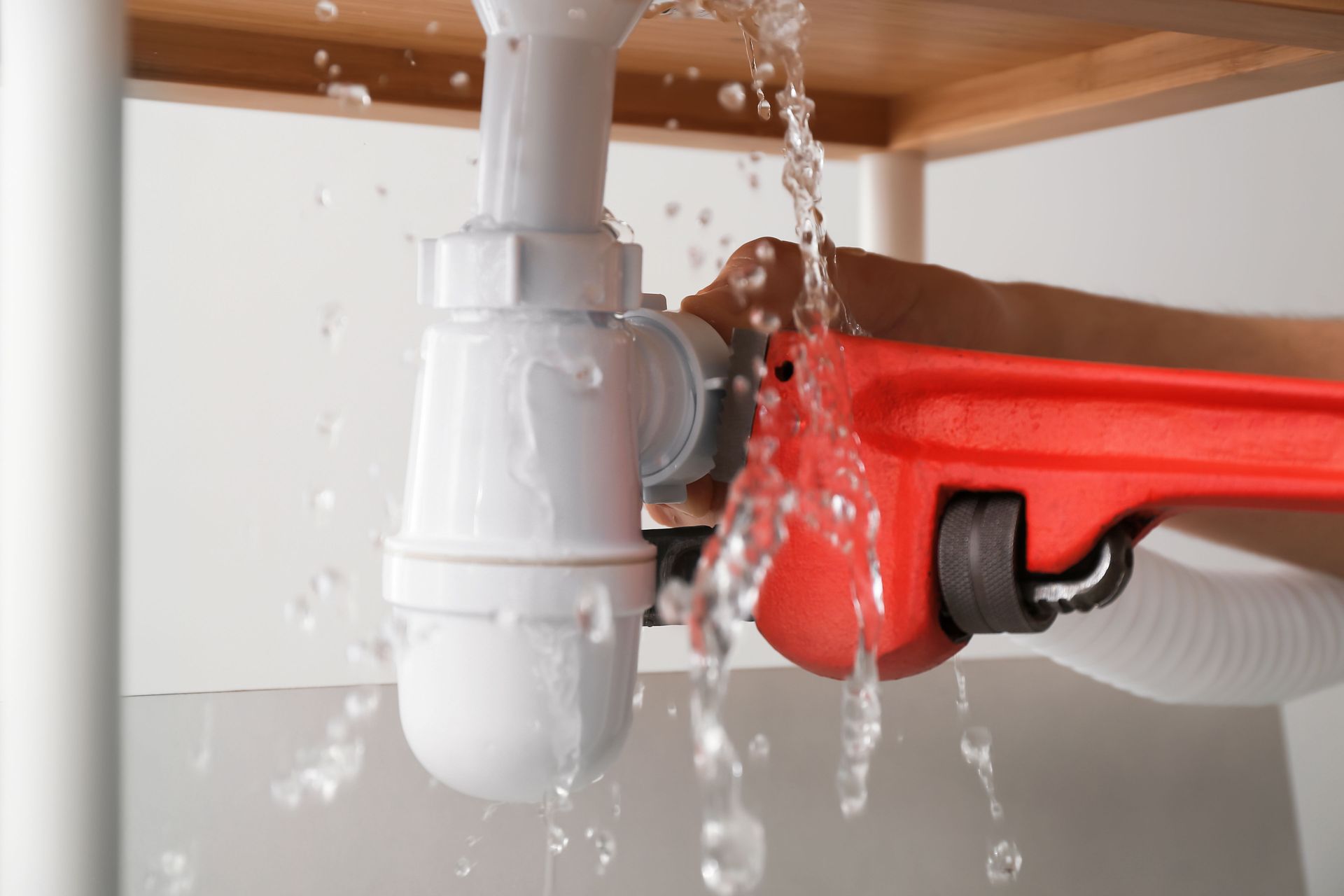
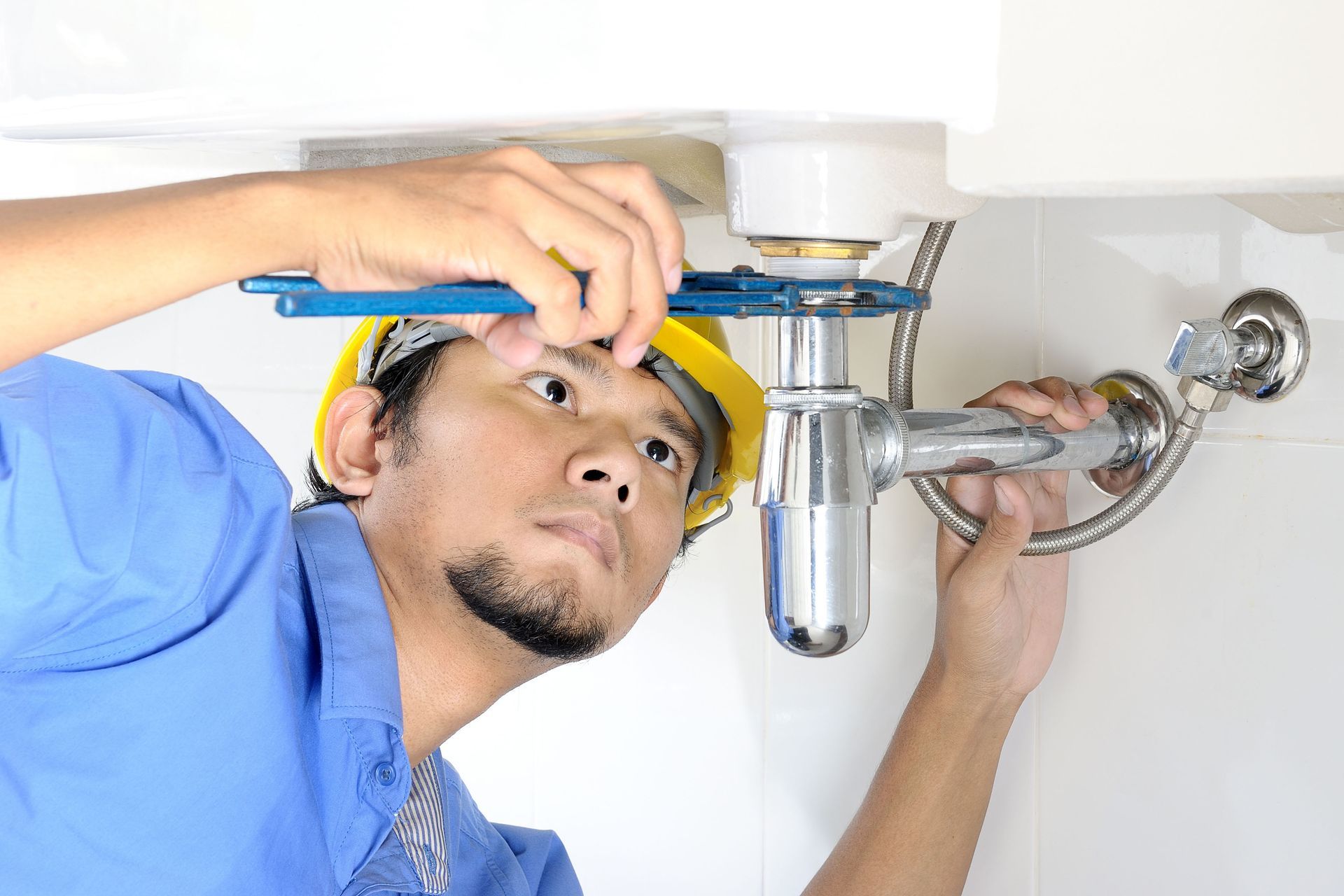
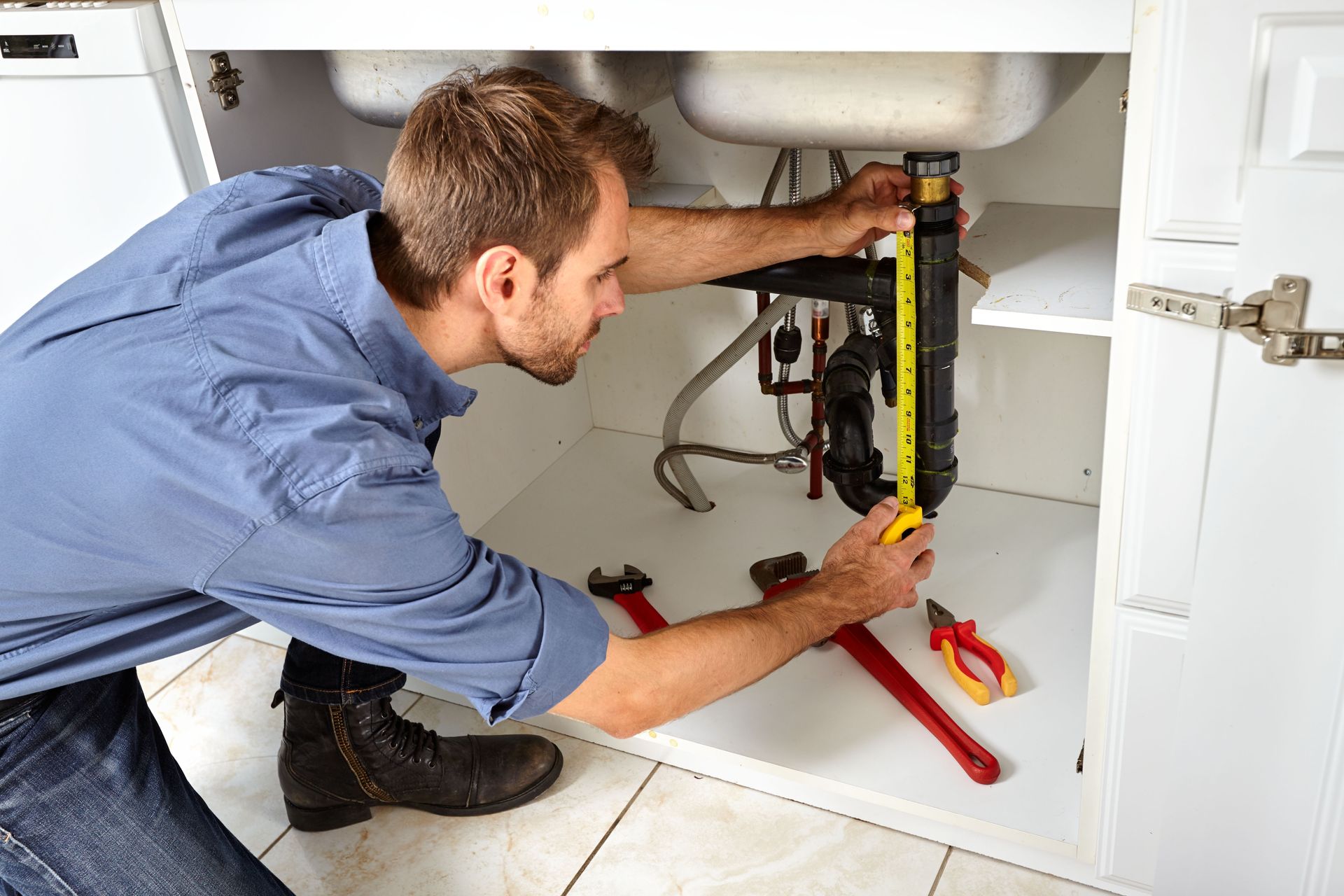
Leaks remain one of the most prevalent and wasteful issues affecting overall residential water efficiency. The best plumber possesses a comprehensive understanding of common failure points, including leaking toilet flappers, dripping kitchen faucets, and worn shower valves, which can quietly waste thousands of gallons annually if left unaddressed. Timeliness in resolving these issues is paramount, as even a minor trickle quickly accumulates into staggering physical losses and inflated utility bills. According to The Spruce, a plumbing inspection should be done once every two years to identify minor structural vulnerabilities before they turn into costly emergencies.
Professional technicians leverage advanced diagnostic equipment to pinpoint hidden subterranean and in-wall plumbing failures. High-sensitivity acoustic leak detectors and thermal imaging cameras allow plumbers to identify concealed pipe ruptures without performing destructive demolition work across your property. Beyond emergency interventions, modern contractors frequently install smart inline water meters and automated shut-off valves. These digital systems continuously track volumetric flow rates and send real-time mobile alerts to homeowners whenever unusual consumption patterns indicate an active pipe break. By combining time-tested mechanical craftsmanship with high-tech diagnostic tools, a seasoned professional secures your plumbing infrastructure against chronic, unseen water loss.
Optimizing Water Usage in Bathrooms
Bathrooms represent the single largest source of indoor water consumption, making them the primary target for structural efficiency upgrades. Installing modern low-flow toilets stands out as one of the most impactful improvements a homeowner can make. Traditional toilets often consume three to five gallons per flush, whereas high-efficiency models utilize less than 1.28 gallons while maintaining exceptional bowl-clearing power. The best plumber can analyze your home's existing drain lines and recommend gravity-fed or pressure-assisted low-flow toilets that prevent frequent line clogs while dramatically reducing total water usage.
Showerheads and vanity faucets also present major opportunities for daily resource conservation. High-efficiency showerheads incorporate specialized air-induction technology, mixing ambient air into the water stream to maintain strong, satisfying spray pressure while cutting fluid volume by up to forty percent. Similarly, installing engineered faucet aerators reduces tap flow rates to a mere half-gallon per minute without sacrificing washing effectiveness. A knowledgeable technician ensures these fixtures are calibrated correctly to match your household's standing water pressure, guaranteeing that eco-friendly hardware delivers superior daily performance alongside long-term utility savings.
Enhancing Kitchen Water Efficiency
The kitchen functions as a central hub of daily domestic activity where water management strategies directly impact household energy and utility bills. Dishwashers, for instance, are far more water-efficient than manual hand washing when installed and operated correctly. The best plumber assists homeowners by installing ENERGY STAR-certified appliances, ensuring proper supply line pressure, and setting up dedicated backflow preventers. Professional installation guarantees that modern dishwashers operate at their exact factory-engineered specifications, using minimal water volume while delivering immaculate sanitation cycles.
Sink fixtures and filtration setups similarly benefit from professional mechanical upgrades. Installing touchless motion-sensor faucets prevents water from running continuously while preparing food or clearing dirty dishes. Furthermore, experienced contractors can design and install specialized residential greywater diversion networks. These systems capture relatively clean drainage from kitchen rinse sinks and route it through multi-stage filtration units for safe sub-surface landscape irrigation. Partnering with a skilled installer ensures these complex recycling systems comply fully with municipal building codes while maximizing every drop of water that enters your home.
Improving Outdoor Water Conservation
Outdoor residential spaces often account for an enormous percentage of total summer water use, largely due to inefficient lawn irrigation and poorly planned outdoor taps. Automated sprinkler systems frequently waste water through evaporation, overspray onto concrete driveways, and broken subterranean line heads. The best plumber evaluates your outdoor piping layout and installs smart weather-based irrigation controllers. These intelligent systems automatically adjust watering schedules based on real-time local rainfall forecasts and soil moisture levels, ensuring that lawns and gardens receive only the exact volume of water needed to thrive.
Rainwater harvesting offers another highly effective strategy for sustainable outdoor water management. Experienced contractors can design integrated catchment systems that collect roof runoff, channel it through primary debris filters, and store it in high-capacity subterranean cisterns. This harvested water can then be pressurized via specialized pumps to supply garden hoses, drip irrigation lines, and outdoor cleaning stations. By leveraging professional guidance for outdoor plumbing design, homeowners eliminate their reliance on treated municipal water for routine landscaping needs, protecting both the environment and their seasonal budgets.
Leveraging Technology for Water Monitoring
Recent technological advances have revolutionized how residential properties track, analyze, and manage daily water consumption. Smart water management systems provide homeowners with detailed, real-time analytics regarding gallon usage across specific fixtures and appliances. By examining these digital data streams, the best plumber can identify subtle mechanical inefficiencies—such as a water softener executing unnecessary recharge cycles or an irrigation valve failing to seat fully—that would otherwise go unnoticed during routine visual inspections.
Integrating internet-of-things monitoring hardware into your central plumbing trunk line grants unprecedented control over your home's fluid dynamics. Modern automated shut-off systems can detect micro-leaks, monitor ambient pipe temperatures to prevent winter freezing, and automatically isolate the main water supply line within milliseconds of a major pipe burst. Qualified plumbing professionals ensure these delicate digital sensors are calibrated accurately, integrated cleanly into existing smart home hubs, and maintained routinely for total mechanical reliability. Embracing digital monitoring transforms passive residential plumbing into a proactive, self-protecting asset.
Choosing the Right Plumber for Water Efficiency Projects
Executing a comprehensive residential water efficiency overhaul requires selecting a trade contractor with verified technical expertise and specialized industry credentials. Property owners should look for licensed professionals who maintain active certifications in green plumbing practices and backflow prevention. Examining online client reviews, verifying active liability insurance policies, and reviewing past case studies confirm that a contractor possesses a proven track record of delivering measurable water and financial savings across similar residential properties.
Before finalizing any contract, homeowners should prepare targeted diagnostic inquiries to gauge a contractor's familiarity with modern efficiency standards. Inquire about their experience with high-efficiency fixture retrofits, smart leak detection integration, and local environmental compliance guidelines. A dependable trade specialist provides transparent, itemized written estimates detailing fixture costs, estimated labor hours, potential municipal rebate opportunities, and expected return on investment timelines. Conducting thorough pre-hire research guarantees a collaborative, highly successful project execution from initial site survey to final inspection.
Partnering with certified trade specialists empowers property owners to eliminate structural water waste, lower monthly utility bills, and enhance the overall market value of their residential assets. From conducting detailed system diagnostic surveys and repairing hidden leaks to installing high-efficiency bathroom fixtures and automated smart monitoring systems, professional contractors deliver long-term mechanical reliability. When you are ready to optimize your home's water infrastructure with dedicated craftsmanship and proven technical expertise, trust the experienced team at Five Star Plumbing to deliver exceptional results tailored to your lifestyle.
Share On: