
How Routine Sewer Cleaning Prevents Costly Backups and Structural Pipe Damage
Understanding the critical role that routine sewer cleaning plays in maintaining the health and functionality of sewer systems can save significant time and resources. Many municipalities face frequent issues with their sewer systems, leading to costly repairs and environmental concerns. Ensuring regular maintenance can prevent these issues from escalating, protecting both the infrastructure and the community. By addressing common and preventable issues through routine cleaning, the risks of sewer system failures are considerably reduced. This article explores how regular maintenance prevents expensive repairs, environmental hazards, and disruptions.
Understanding the Scope of Sewer System Issues
Complexity of Sewer Networks
The design and layout of sewer networks are inherently complex. They consist of various interconnected pipes and channels that transport wastewater from homes to treatment facilities. Besides handling household waste, these systems must manage stormwater collection, which adds to their complexity. Cities rely on these intricate systems to function efficiently, and any disruption can lead to significant community impact. Ensuring regular inspections and routine cleaning can help identify and mitigate potential problems in such an elaborate network.
Despite their complexity, many sewer systems suffer from neglect due to lack of awareness or funding. Without regular maintenance, small blockages can develop into major clogs, causing backups and overflows. The Environmental Protection Agency estimates that 10% of homes have leaks somewhere in their plumbing, wasting more than 90 gallons of water per day, demonstrating the need for attention at both the household and system level. Staffing levels, equipped with appropriate tools and technology, can manage the burden more effectively when routine cleaning is prioritized. In addressing these complexities, routine sewer maintenance ensures a safer and more reliable infrastructure.
Modern urban environments grow and evolve, creating additional pressures on sewer systems. As populations increase, waste volumes rise, further complicating the issue. Urban development often outpaces infrastructure upgrades, leaving many systems outdated and inadequate. Regular maintenance of these systems allows for adjustments and repairs that can prevent future infrastructural strain. Proactive approaches to sewer maintenance are necessary to adapt to growing community demands and maintain infrastructural efficiency.
Common Causes of Sewer Backups
Sewer backups are often caused by blockages in the pipes that hinder the flow of wastewater. Common culprits include fats, oils, and greases that accumulate and form obstructions. Additionally, non-degradable items like wet wipes, sanitary products, and paper towels can compound these blockages, leading to severe backups. Tree roots can also invade sewer pipes, causing significant damage and obstructions over time. Addressing these causes through regular inspection and cleaning can prevent backups and prolong the life of sewer systems.
Backups can lead to costly repairs and extensive property damage, making prevention a primary concern. In addition to causing inconvenience, backups pose health risks through exposure to untreated sewage. Regular cleaning and maintenance can significantly reduce the likelihood of such backups by removing potential blockages before they escalate. It is crucial for residents and municipalities to work together to prevent improper disposal of waste that contributes to these issues. Educating the public on proper waste disposal can complement maintenance efforts and reduce the risk of backups.
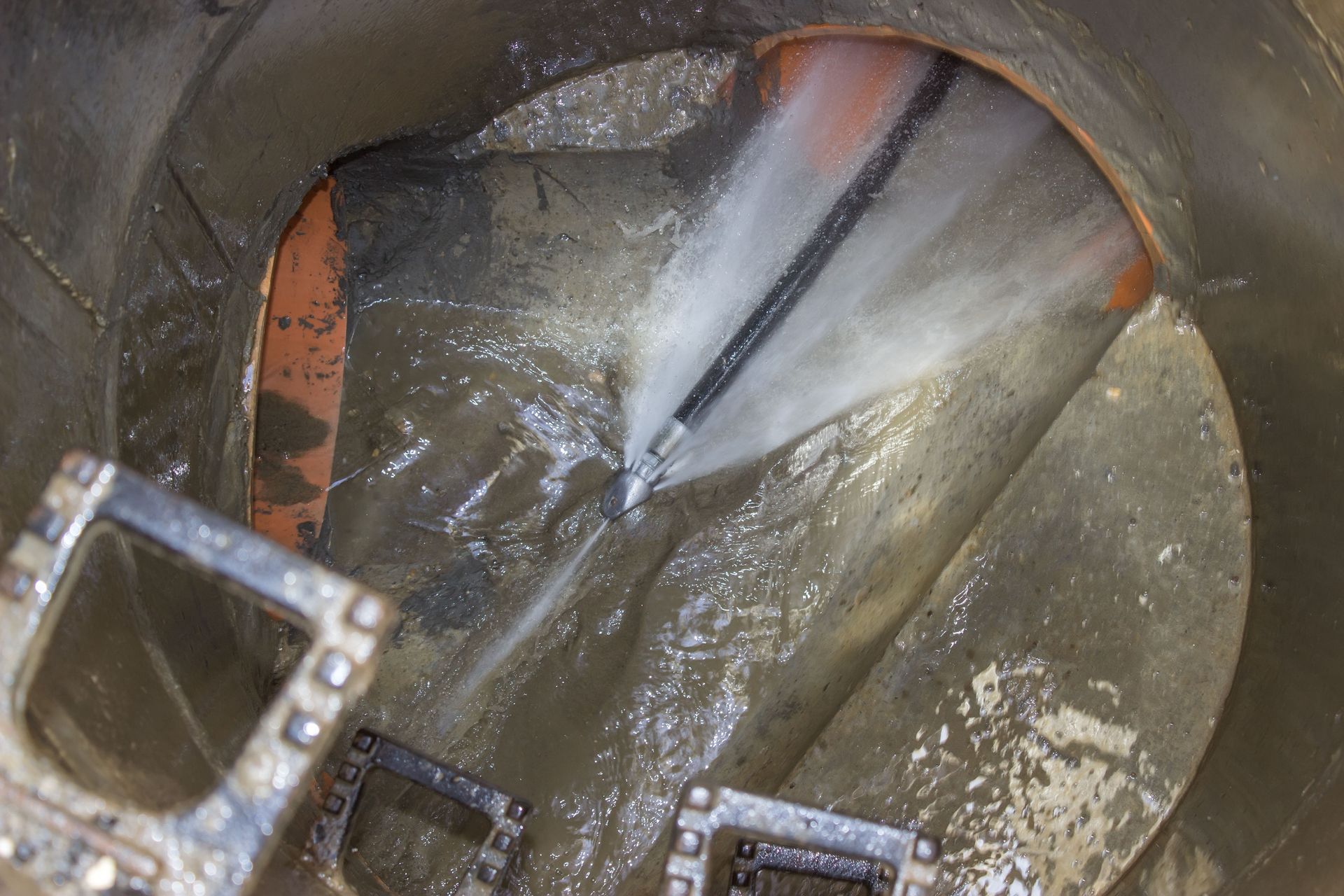
Continuous sewer cleaning is necessary to manage the buildup of debris and obstructions in the pipes. Technological advances in sewer cleaning, such as high-pressure water jetting, help effectively clear these blockages. Regularly scheduled cleanings ensure that potential issues are managed proactively rather than reactively. Municipalities benefit from reduced emergency response costs and increased efficiency within their sewer systems. By committing to routine maintenance, cities can address common causes of sewer backups before they become larger problems.
The Role of Aging Infrastructure
Aging infrastructure plays a significant role in sewer system issues. Many cities utilize sewer systems that are decades, sometimes over a century, old. The materials used in older pipes may become brittle or corroded over time, increasing the vulnerability to cracks and collapse. As these systems age, they require more frequent monitoring and maintenance to continue functioning properly. Routine cleaning can extend the lifespan of these older systems and delay the need for complete replacement.
As infrastructure ages, it becomes more vulnerable to environmental conditions and increased usage. Pipes can degrade and cause leaks or collapses, leading to sewer overflows and costly repairs. Regular inspections are essential to identify areas of concern and maintain the infrastructure's integrity. When left unaddressed, aging sewer systems may degrade to a point where extensive and costly repairs are inevitable. By investing in routine maintenance, municipalities can manage their infrastructure more effectively and reduce unexpected failures.
In addition to physical degradation, aging systems are often less efficient at handling modern demands. Improvements in cleaning techniques and maintenance practices have advanced over the years, allowing older systems to be maintained more effectively. Implementing these modern techniques within older systems helps ensure they remain functional despite their age. Proactive maintenance efforts play a critical role in managing the balance between current needs and the limitations of aging sewer infrastructure. Regular cleaning and monitoring provide a cost-effective solution to address potential issues with older systems.
Impact of Climate Change on Sewers
Climate change affects sewer systems by altering weather patterns, leading to increased precipitation and flooding events. The additional water entering the system during storms can overwhelm outdated infrastructure, resulting in overflows and backups. Routine maintenance is crucial to address these challenges by ensuring systems can handle increased rainfall effectively. Upgrading systems with climate-resilient technologies is essential to adapting to these environmental changes. Through routine cleaning and updates, sewer systems can remain resilient against the effects of climate change.
As the frequency of severe weather events increases, sewer systems face additional strain. Sudden increases in water volume can overwhelm existing systems, especially if blockages or restrictions hinder flow. Routine cleaning helps maintain system capacity and minimize the risk of overflow during heavy rain. Ensuring systems are at optimal functionality is vital in managing the impact of extreme weather events on urban environments. Proper maintenance combined with strategic planning can mitigate the effects of climate change on critical infrastructure.
Climate adaptation strategies should include regular sewer maintenance as a fundamental component. By reducing blockages and maintaining efficient flow, sewer systems can better withstand influxes from heavy rain and flooding. Incorporating sustainable practices in routine maintenance helps cities prepare for future climate-related challenges. As municipalities invest in long-term solutions, routine cleaning must remain a priority to protect their infrastructure from both existing and emerging challenges. Preemptive, routine maintenance is vital in reinforcing sewer systems against climate impacts.
Signs of Impending Sewer Problems
Early detection of sewer problems can prevent costly damage and health risks. Common signs of potential issues include slow drainage, unpleasant odors, and unusual sounds coming from pipes. If left unattended, these symptoms could progress into more significant problems like backups and overflows. Routine inspections and maintenance help identify these signs early and address them before they escalate. Encouraging homeowners to report any signs promptly can assist municipalities in maintaining an efficient response.
Professional sewer inspections can identify underlying issues that are not immediately visible. Technology such as camera inspections and acoustic monitoring enable teams to detect hidden problems. Early intervention is crucial in preventing minor defects from becoming major disruptions within the sewer system. Education campaigns can help raise awareness among residents about the importance of reporting any irregularities. Like leaks in home plumbing, unnoticed sewer issues can lead to substantial water wastage and subsequent problems. According to the Environmental Protection Agency, 10% of homes have leaks somewhere in their plumbing that waste more than 90 gallons per day. Be sure to reach out to Five Star Plumbing today to learn more about our professional sewer cleaning!





Share On: