
The Biggest Mistakes Homeowners Make Before Calling a Plumbing Contractor
In the world of home maintenance, few things can be as stressful as plumbing issues. Unfortunately, many homeowners make critical mistakes even before they pick up the phone to call a plumbing contractor. Understanding these common missteps can save time, money, and a lot of frustration. This article delves into these frequent errors and explores the reasons why consulting with a professional plumbing contractor is essential.
1. Why Do Homeowners Delay Contacting a Plumbing Contractor?
A. Misunderstanding the Severity of the Problem
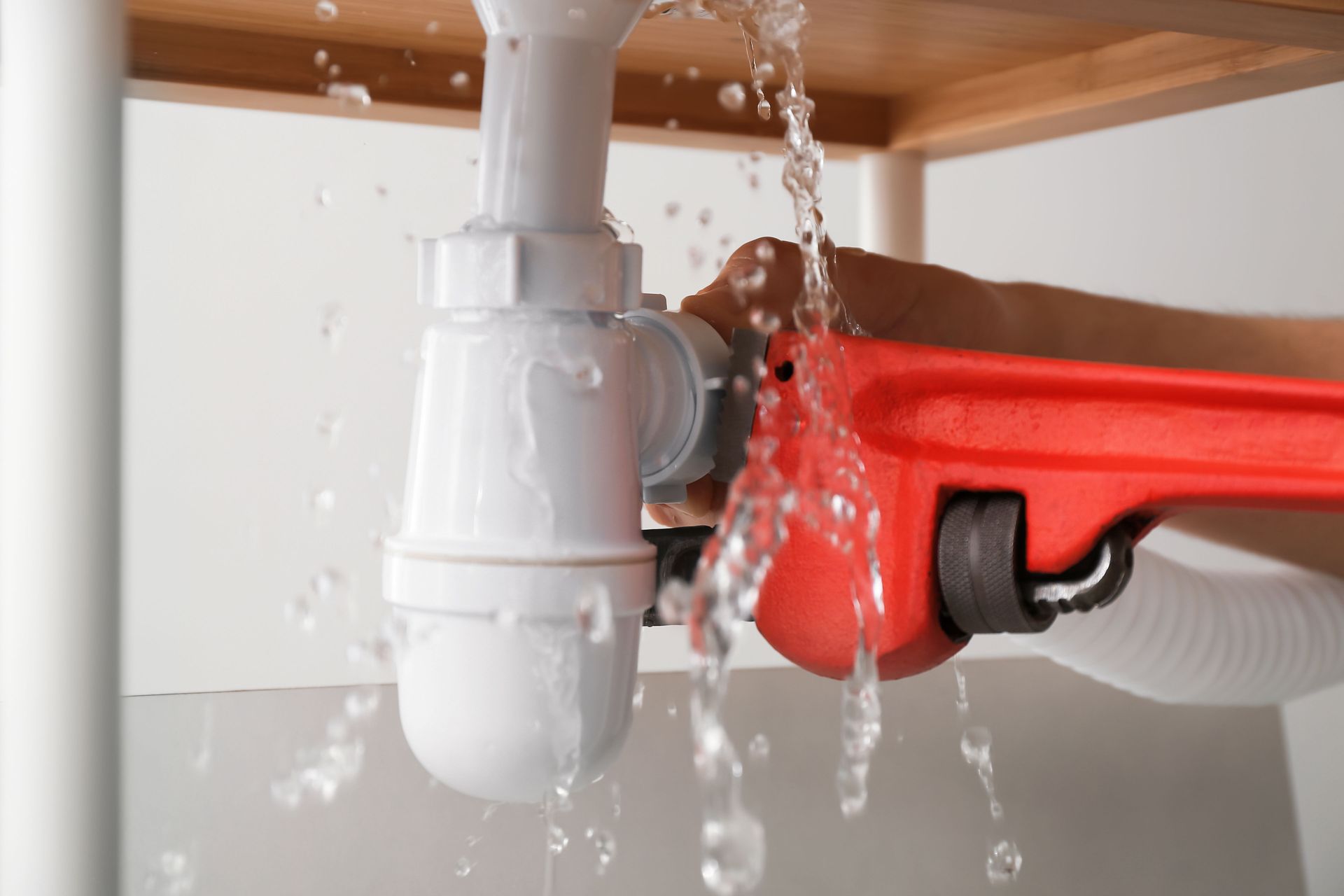
Many homeowners tend to underestimate the severity of a plumbing problem, often believing that small leaks or clogs can be resolved without professional help. The tendency to occasionally overlook minor plumbing issues, such as a slow leak or an infrequent drip, may seem harmless. However, this oversight can lead to significant damage over time. According to the Environmental Protection Agency, a leaky faucet that drips at the rate of one drip per second can waste more than 3,000 gallons of water per year, showcasing the potential for substantial water loss and increased bills.
Such misunderstandings about the magnitude of the problem may lead to delayed interventions, resulting in further complications. Small issues may stem from broader issues within the plumbing system, which only experienced contractors can accurately diagnose and fix. Recognizing the urgency and potential severity of plumbing issues is crucial to avoiding escalated situations and unnecessary costs.
B. Cost-Related Concerns
The notion of high repair costs can deter many homeowners from contacting a plumbing contractor. It is common for individuals to postpone professional consultations to avoid perceived financial strain. However, considering the accumulated cost from wasted water and potential property damage, the price of a delayed intervention often outweighs the initial service fee.
Homeowners should consider the long-term savings that come from promptly addressing issues rather than waiting for them to worsen. A plumbing contractor can provide efficient repairs and potentially prevent future issues, mitigated by insurance claims or costly repairs in case of significant water damage to the property.
C. Attempting DIY Repairs
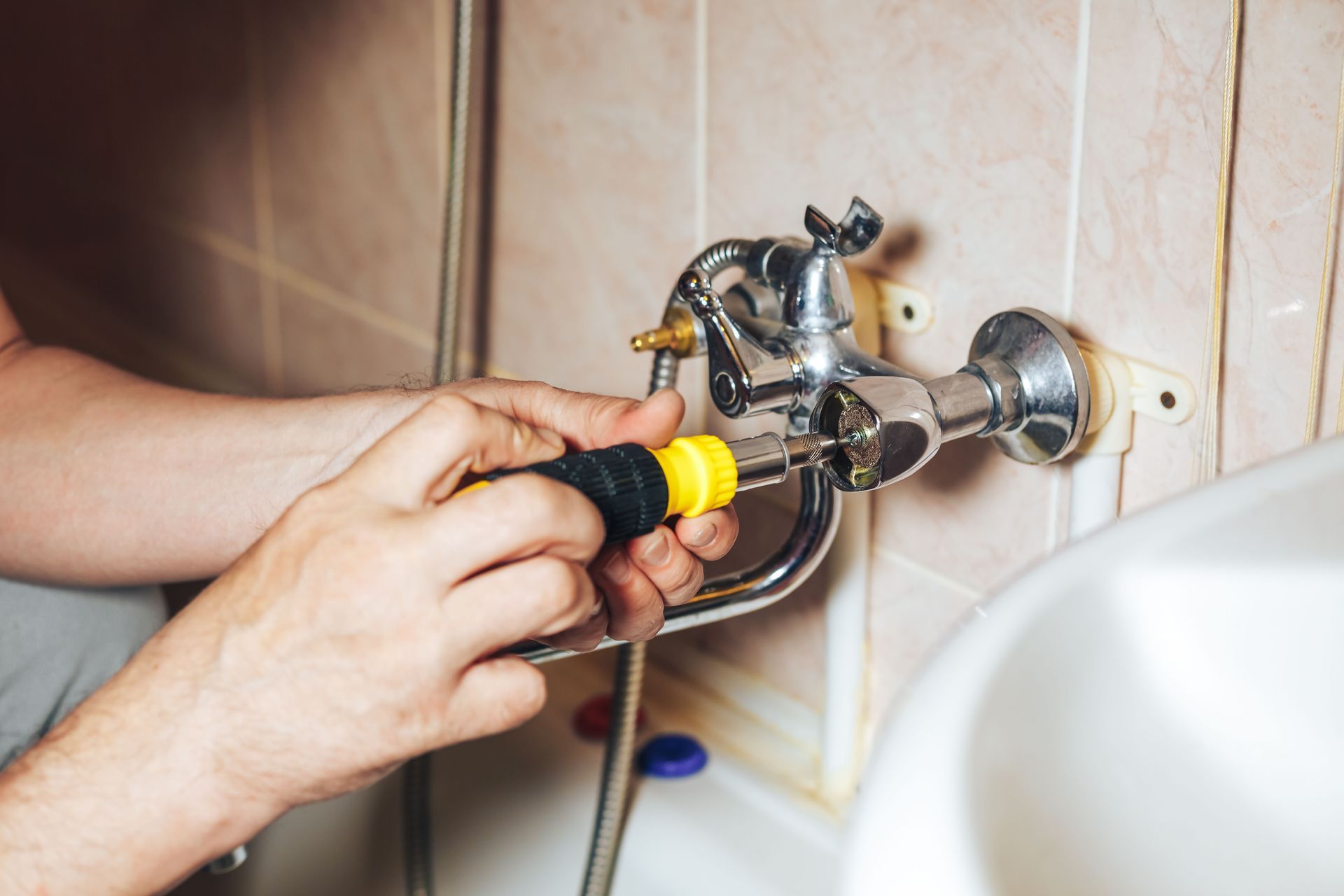
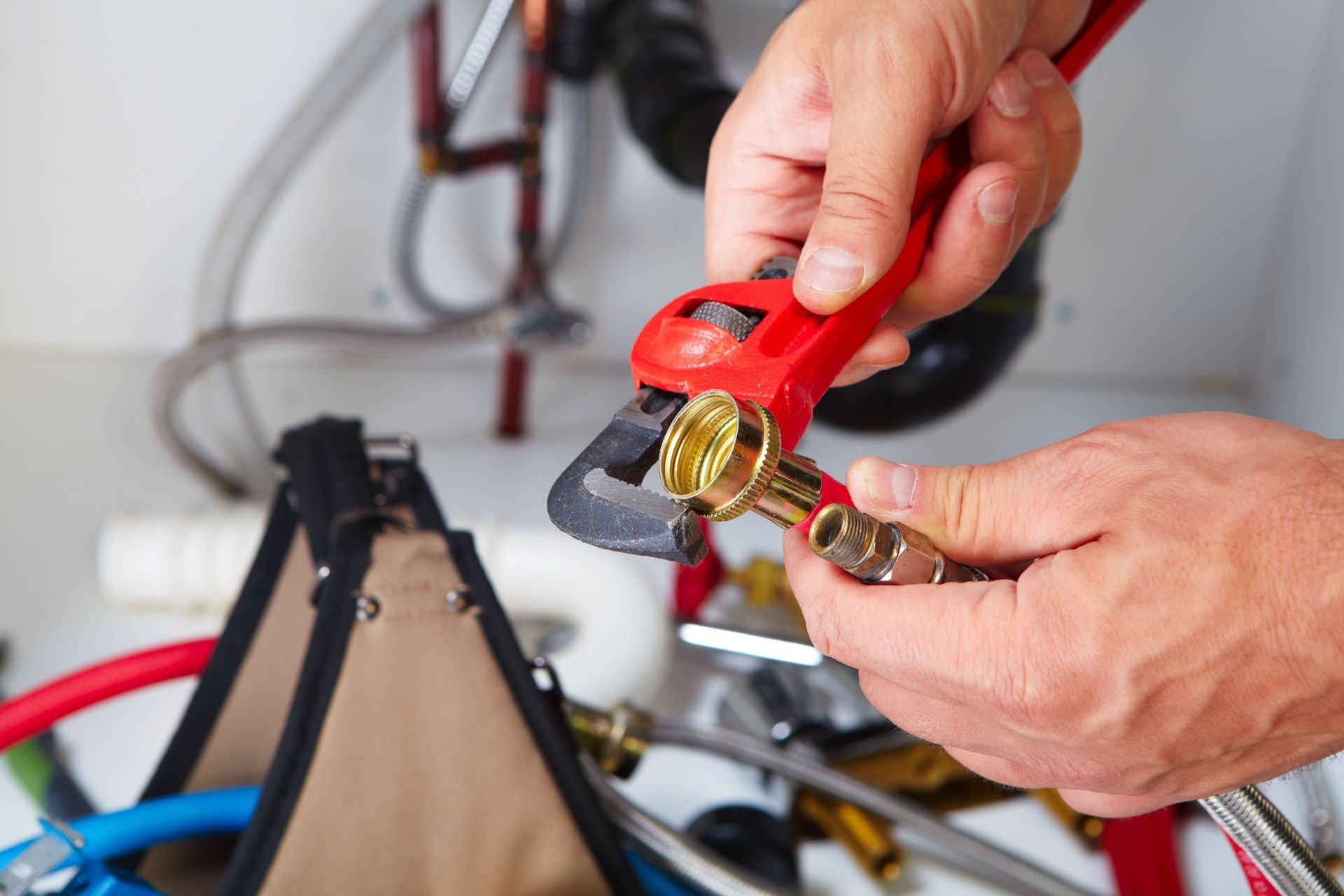
In an era where DIY guides are readily available online, many homeowners feel empowered to tackle plumbing repairs themselves. However, without proper expertise and tools, these attempts can lead to substandard repairs that may exacerbate existing issues. In some cases, what starts as a simple fix might lead to unintended complications requiring extensive repairs.
While simple tasks like clearing a drain might be handled independently, complex issues demand professional attention. Plumbing contractors bring comprehensive knowledge and experience to ensure the problem is resolved effectively and efficiently, avoiding haphazard attempts that may prove costlier in the long run.
D. Ignorance of Water Damage Risks
Many homeowners are unaware of the full spectrum of risks associated with untreated plumbing issues. Beyond immediate inconveniences like standing water or slow drainage, underlying problems may lead to mold growth, foundation shifting, and infrastructure damage if not promptly and adequately addressed. These risks extend beyond the bathroom or kitchen, potentially compromising the structural integrity of a home.
Understanding the long-term implications of untreated plumbing issues highlights the importance of timely consultation with a plumbing contractor. By addressing concerns promptly, homeowners safeguard their homes against extensive and costly repairs necessitated by prolonged neglect.
2. What Preparations Should Be Made Before Calling a Contractor?
A. Gathering Necessary Information
Before contacting a plumbing contractor, it is crucial for homeowners to gather relevant information regarding their plumbing issue. This might include noting symptoms, the frequency of occurrences, and any temporary fixes already attempted. By doing so, homeowners can provide the contractor with valuable context, facilitating a prompt assessment and resolution of the issue.
Documenting key details ahead of a contractor's visit can streamline the process and potentially reduce time spent diagnosing the issue. This preparation also ensures homeowners are well-informed about their plumbing situation, enhancing communication with the contractor.
B. Knowing Your Plumbing System
A basic understanding of one's plumbing system and its components can significantly assist in communicating problems clearly to a contractor. Homeowners should familiarize themselves with the location of key components such as water shut-off valves, pipe layouts, and appliance connections to aid in the identification of problems and facilitate quicker solutions.
This knowledge allows homeowners to quickly respond to emergencies, like shutting off water supply to prevent flooding, and provides a practical foundation when discussing potential solutions and maintenance strategies with a plumbing contractor.
C. Understanding Common Plumbing Terms
Familiarity with basic plumbing terminology can empower homeowners to engage more effectively in discussions with a contractor. Terms like "drain trap," "pressure relief valve," and "water hammer" may seem technical, but clarifying such concepts enables clearer communication and expectations with a plumbing contractor.
Understanding plumbing terms not only aids in addressing current issues but also enables homeowners to gain insights into preventative measures. This knowledge fosters an informed and practical approach to home maintenance, reducing the likelihood of recurring issues.
3. How to Choose the Right Plumbing Contractor?
A. Checking Credentials and Licensing
Evaluating a contractor's credentials and licensing is a fundamental step in securing reliable plumbing services. Verification of licenses ensures the contractor meets state requirements and demonstrates proficiency in plumbing practices. Homeowners should feel comfortable requesting proof of qualifications, certifications, and associations with professional bodies.
A legitimate and skilled plumbing contractor will have no issue providing the requisite information, offering homeowners peace of mind regarding compliance with industry standards and regulations.
B. Reading Reviews and Testimonials
Online reviews and testimonials offer valuable insights into a contractor's reputation and service quality. Browsing feedback allows homeowners to assess previous clients' experiences, identify common commendations or complaints, and evaluate general client satisfaction.
While no contractor will have a perfect record, a predominance of positive testimonials can indicate reliable service provision. Reviews help filtering options, ensuring homeowners select a contractor with a proven track record of professionalism and success.
C. Evaluating Professionalism and Communication
Professionalism and effective communication are crucial attributes of a dependable plumbing contractor. Initial impressions matter, from prompt, courteous communication to clarity in scheduling visits or providing estimates. Positive interactions gauge the contractor's professionalism and hint at their service approach.
A contractor who communicates openly, listens to client concerns, and provides clear explanations is likelier to deliver satisfactory outcomes. This professionalism sets the foundation for a trustworthy relationship, assuring homeowners their property is in capable hands.
4. What Should You Expect During a Plumbing Service Call?
A. Initial Assessment and Diagnosis
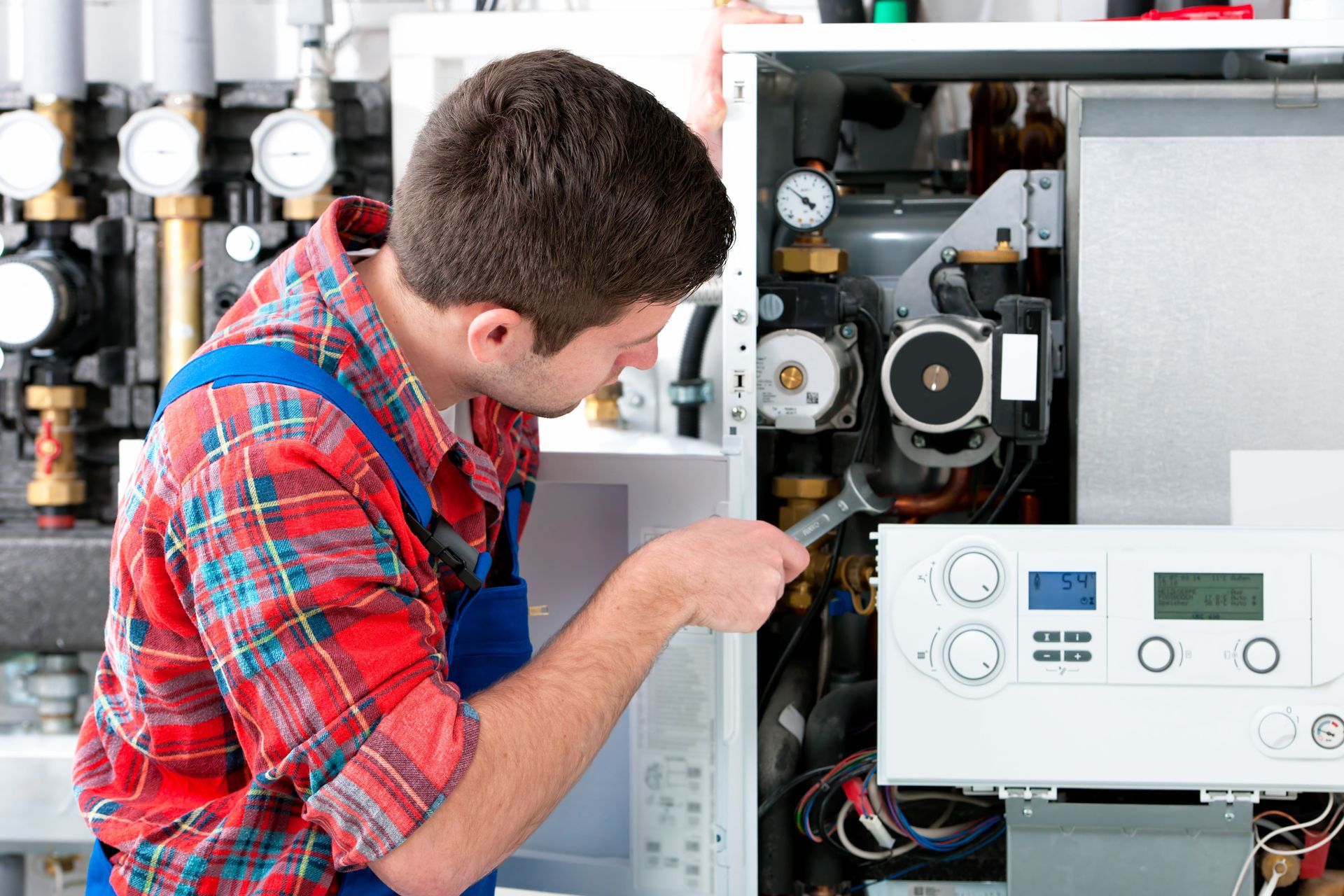
Upon arrival, the plumbing contractor will conduct an initial assessment to diagnose the issue accurately. This may involve examining components and utilizing specialized instruments to identify malfunction sources. Comprehensive diagnostics lay the groundwork for effective and informed repair solutions.
The assessment also includes a discussion with the homeowner, where contractors inquire about previous symptoms, noting any pertinent observations. This dialogue ensures a tailored approach to resolving the issue, aligning contractor efforts with homeowner experiences.
B. Explanation of Proposed Solutions
Following the assessment, the plumbing contractor will explain the identified problems and propose solutions, offering clarity on necessary repairs or maintenance requirements. Transparent communication ensures homeowners understand the repair process and agree to the proposed solutions before proceeding.
This stage allows homeowners to ask questions, ensuring clarity about interventions and expected outcomes. A well-communicated solution plan instills confidence in homeowners, affirming the contractor's expertise and commitment to quality service delivery. Reach out to Five Star Plumbing today to see how we can help you!

Share On: